Second COVID Booster Is Now Available to Many Americans, but Who Truly Needs One?
With the FDA authorizing a second booster for people 50 and older and some immunocompromised younger people, experts say the shot is optional and most useful for the most vulnerable.
By Jacob Leary ·
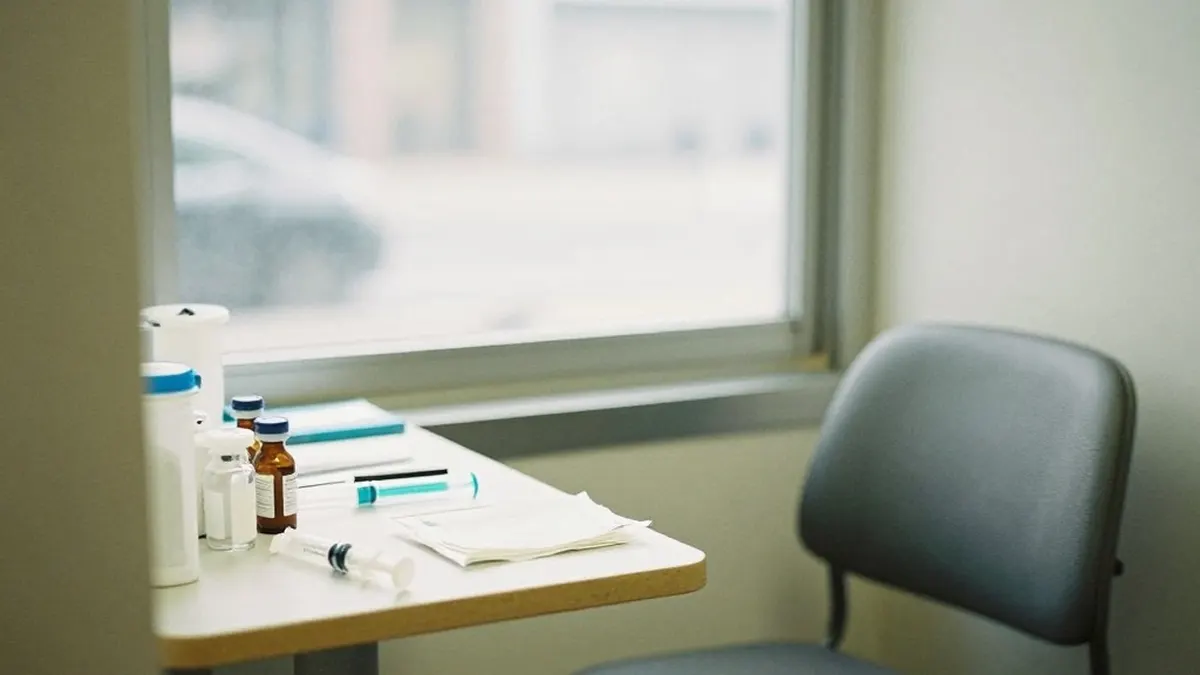
Many Americans can now get a second booster dose of a COVID-19 vaccine, but it is hard to tell who needs one right away and who can safely wait a bit longer.
The U.S. Food and Drug Administration has authorized an additional booster of the Pfizer and Moderna vaccines for people 50 and older, as well as for some younger people with severely weakened immune systems. The move is part of an effort to get ahead of a possible resurgence of the coronavirus.
Anyone 50 or older may receive the extra dose as long as at least four months have passed since their last shot. People with serious immune suppression, such as organ transplant recipients, can get it starting at age 12. Adults may choose either the Pfizer or the Moderna vaccine, while Pfizer is the only option for children.
People who received the single-dose Johnson & Johnson vaccine are already eligible for a booster of any of the available vaccines. The Centers for Disease Control and Prevention recommends that only some of them get another one. A new study found that a second dose of the Moderna or Pfizer vaccine gives stronger protection than a second J&J dose. As a result, J&J recipients who got a booster can now choose a Moderna or Pfizer dose. If they have already received one of those boosters, the CDC says only those who meet the newer criteria, based on age or a weakened immune system, qualify for another.
Officials pointed to a gradual decline in protection as a reason for the decision. The vaccines continue to offer strong defense against severe illness and death, but their effectiveness against mild infection fades over time. They also do not work as well against newer variants, including omicron, as they did against earlier versions of the virus months ago.
The evidence for a further booster is thin, according to many scientists, which leaves public health authorities to rely on their best judgment.
The CDC has described the new dose as optional. The agency says the people likely to benefit most are those at highest risk of serious disease, including adults over 65 and those in their 50s who have multiple health conditions.
Experts also differ on timing, partly because it is unclear how long the added benefits will last. Another dose now may make sense for older people and those with weakened immune systems, but there is "less urgency in an otherwise healthy person," said E. John Wherry, an immunologist at the University of Pennsylvania.
Source: New York Daily News